Physio Boxing is currently being developed. The service in Bonn is being prepared. Treatment appointments cannot be booked yet.
Keep me informed about the launchExperience movement in a new way.
Physiotherapy-based movement therapy
When pain, uncertainty, exhaustion or psychological strain increasingly make physical activity more difficult.

Geplanter Angebotsrahmen: The following information describes the service after launch. Treatment appointments cannot be booked yet.
From individual sessions to a small group.
Individual treatment and small-group sessions can build on one another. Together, we determine which starting point best fits your current situation.
Initial consultation & individual treatment
Your current situation, capacity and goals are central. Movement tasks and rest periods can be adapted particularly closely to your needs.
€95 · 50 minutes
Small group
Once your response to physical load can be assessed more reliably, treatment may continue in a small group. Shared movement, reaction and partner tasks can provide additional motivation.
€30 per person · 50 minutes
The transition is decided together: after several individual sessions, we assess whether and when a small group would be appropriate for you.
Private medical prescription required: A private prescription issued by a doctor is required for physiotherapy treatment. Privately insured patients and those eligible for state aid should check with their insurer in advance whether and to what extent the costs will be reimbursed.
Physiotherapy and boxing elements — individually combined.
In Physio Boxing, the focus is not on boxing itself, but on the experience of movement.
What actually happens in the body?
Movement is more than muscular work. With every task, the nervous system processes information, plans movement and continuously adapts it.
MOVEMENT
Movement enables the body to learn.
Regular movement engages the muscles, cardiovascular system and nervous system at the same time. Varied movement tasks continually provide the brain with information about the body and its surroundings.
In Physio Boxing, the level of exertion is adapted so that movement can once again feel manageable and controllable. This can help gradually build physical capacity and confidence in movement.
COORDINATION
When movements need to work together.
Boxing movements require the legs, trunk, arms and gaze to work together. The nervous system must plan, time and continuously correct movement.
Coordination tasks therefore train more than individual muscles. They challenge the interaction between perception and movement, for example when changing direction, rhythm or a sequence of punches.
ATTENTION
Moving while staying attentive.
Remembering a movement sequence, watching a target or responding to a signal: these tasks combine physical activity with attention.
The brain must select relevant information and adapt movement accordingly. This creates a form of movement that requires you to stay actively engaged with the task rather than simply repeating movements automatically.
REACTION
Perceive — decide — move.
When a signal, direction or task changes, the body must respond. The nervous system processes information and quickly selects an appropriate movement.
These demands can begin very simply and gradually become more complex. This allows reaction, movement planning and adaptability to be challenged together.
BREATHING
Breathing accompanies movement and exertion.
Breathing changes automatically during physical activity. At the same time, it can be consciously noticed and adapted to movement rhythm, exertion and recovery.
Physio Boxing is not about having to breathe “correctly”. Instead, breathing can help you notice exertion, find a rhythm and alternate between activity and recovery.
Movement helps — what does research show?
Physical activity can make an important contribution in a range of health conditions.
Depressive symptoms
Large scientific reviews indicate that different forms of exercise can reduce depressive symptoms.
There is no single form of movement that is best for everyone. Important factors include the individual situation, current capacity and appropriate dosage.
Noetel et al., BMJ 2024 – network meta-analysisChronic pain
Movement also often plays an important role in persistent pain.
Movement does not have to be completely pain-free in every situation. What matters is how the body responds and whether the task remains controllable and appropriately dosed.
Geneen et al., Cochrane 2017 – review overviewScientific reviews describe average effects in the groups studied. They do not automatically predict which form or dosage of movement is suitable for an individual. For chronic pain, the quality of the available evidence is also partly limited.
What does this mean for Physio Boxing?
Physio Boxing uses boxing movements as a versatile framework for movement.
Movement, breathing, coordination, attention and reaction interact. Tempo, intensity, range of motion, complexity and rest periods can be adjusted deliberately.
This allows movement tasks to be adapted to the current situation, individual capacity and therapeutic goal.
Does any of this sound familiar?
- You would like to become more active, but getting started feels difficult.
- You have been living with symptoms or pain for some time.
- You have less confidence in your body and avoid physical strain.
- Stress, exhaustion, anxiety or low mood make activity even more difficult.
How does Physio Boxing work?
Getting to know you
We discuss your current situation, your goals and the role of movement in everyday life.
Trying it out
You try suitable boxing movements, rhythm and coordination tasks.
Adapting
Tempo, intensity, complexity and rest periods are adapted to what is appropriate at the time.
Applying it to everyday life
Helpful experiences are gradually transferred into everyday life.
Movement should not only take place during therapy.
It should become part of life again.When might another approach be more appropriate?
For acute, new or clearly worsening symptoms, or conditions requiring specific treatment, medical assessment or specialised physiotherapy should come first.
For psychological symptoms, Physio Boxing can support physical activity, but it does not replace necessary medical or psychotherapeutic treatment.
Not sure? That is exactly what the initial assessment is for.
Physiotherapy, movement and mental health.
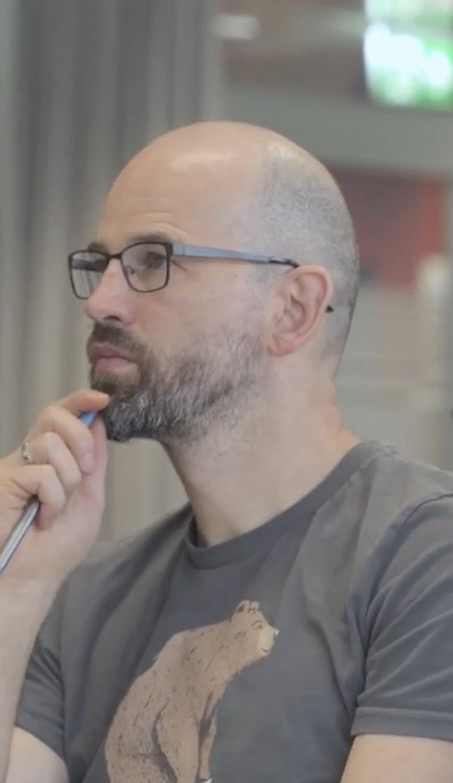
As a physiotherapist, I am particularly interested in how physical symptoms, psychological strain and movement behaviour interact.
My focus is on people for whom pain, uncertainty, exhaustion or psychological strain make it difficult to engage in physical activity.
Since 2019, I have continued my professional development in physiotherapy and mental health through specialist courses and professional events in Switzerland.
How can people become more physically active again when pain, uncertainty, exhaustion or psychological strain increasingly make this difficult?
My path to Physio Boxing
During this professional training, I developed the idea of bringing boxing movements, rhythm and coordination tasks into a therapeutic context.
This prompted me to explore the possibilities of these movement tasks within physiotherapy and to develop them further in my clinical work.
The concept of exergaming also inspired me: movement can capture attention, motivate and become an immediate experience.
The focus is not boxing as a sport, but how these movement tasks can be meaningfully integrated into physiotherapy and individually dosed.
Professional development
Ongoing professional development and engagement with mental health inform my understanding of the interaction between physical symptoms, psychological strain and movement.
Would you like to take a more active part in life again?
Physio Boxing befindet sich derzeit im Aufbau. If you would like to be informed about the launch in Bonn, feel free to send me an email. Treatment appointments cannot be booked yet.
Privacy notice: Please do not send detailed medical reports or sensitive health information in your first email. Further information on data protection (German) →